

Emotions come in a variety of forms and have an impact on how we live and connect with others. We may be governed by our emotions at different times. The emotion we are experiencing at any particular time influences the decisions we make, the actions we take, and the impression we have.
It is crucial to keep in mind, though, that no emotion rests in isolation. Instead, the myriad feelings that you experience are sophisticated and varied, zigzagging a privileged and varied fabric via your emotional life. Let's take a closure look at some basic emotions.
HAPPINESS😃
SADNESS😢  Sadness is one of the seven universal emotions that everyone on the planet feels when someone or something meaningful dies. What makes us sad differs tremendously depending on our personal and societal perspectives on loss. While sorrow is sometimes seen as a "bad" emotion, it does play a crucial function in communicating a need for assistance or consolation. Sadness like other emotions is something that everyone feels from time to time. In certain situations, people might suffer from chronic and severe bouts of remorse, which can escalate to depression. Sadness may be portrayed in a variety of ways such as crying, gloomy mood, lethargy, quietness, marginalization from others, etc. Sadness frequently occurs in conjunction with other emotions like anger, tension, guilt, grief, and many more. Sometimes the emotion is so intense that you don't feel that you are sad. So how does it feel to be sad? It may alter your bodily state. Maybe you have a headache, stomach pain, or something.
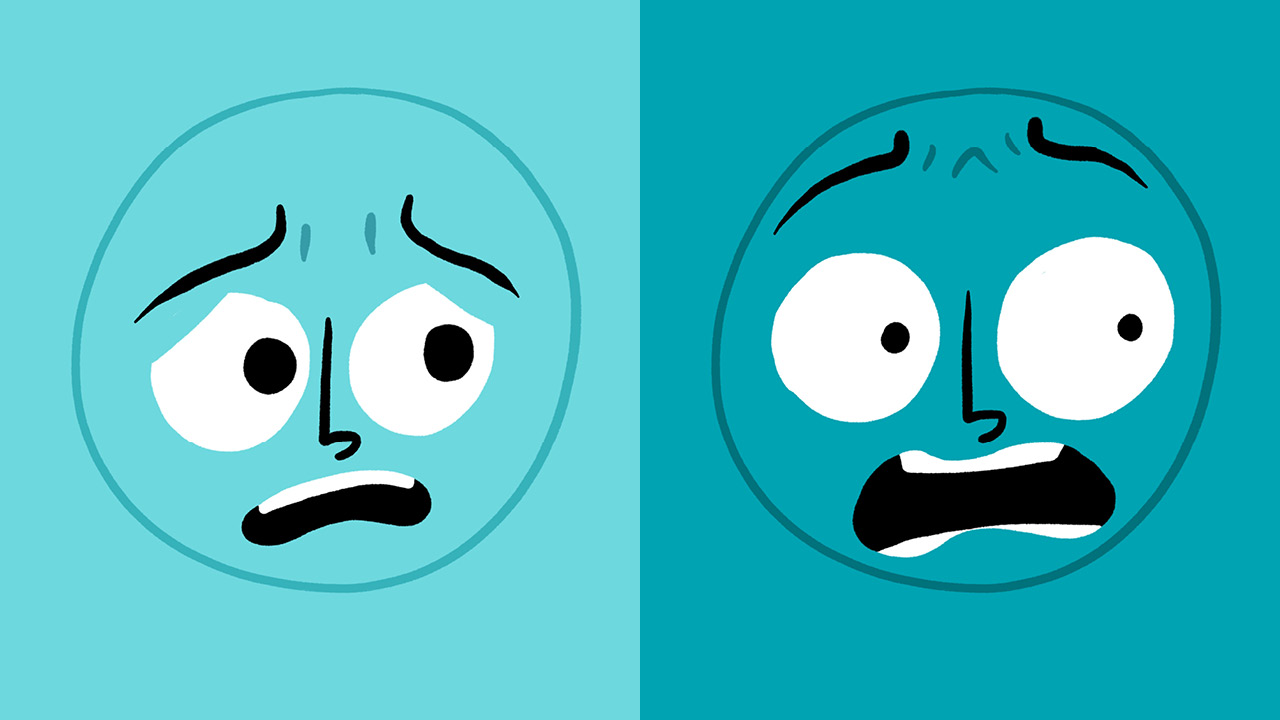 Fear is inherent in all living things, but it exists within reasonable limitations. They only experience fear when the conditions for fear present themselves. Humans, on the other hand, are plagued with unfounded fear. It says that after witnessing or imagining a single terrifying scenario, one will see or imagine hundreds more in the future. It's also called part terror or feeling afraid when there's nothing to be afraid of. For instance, you may have only asked one visitor to supper, but you are afraid that a hundred will arrive. This is a dread part. Viparit fear is a fictitious fear that is excessively intensified. Fear is a strong emotion that can be useful in survival. When you are confronted with a threat and feel fear, your body goes through what is known as the fight or flight response.
 Disgust is another of Eckman's original six basic emotions. Disgust can be expressed in a variety of ways, including:
FEAR😱
Your muscles tense up, your heart rate and respiration rate increase and your mind become more alert, priming your body to either flee or confront the danger. This response ensures that you are prepared to deal with hazards in your surroundings efficiently.
ANGER😡
Anger is a natural, albeit sometimes unwelcome or unreasonable, an emotion that everyone feels from time to time.
Anger is a core, natural feeling that evolved as a strategy for living and protecting yourself from what is deemed wrongdoing, according to scientists. While wrath is widely perceived as a bad emotion, it can also be beneficial at times. It can be beneficial in articulating your requirements in a relationship, as well as motivating you to take action and comprehend answers to problems that are bothering you. Anger, on the other hand, can become a problem when it becomes excessive or is exhibited in ways that are unhealthy, dangerous, or hurtful to others. Uncontrolled rage can swiftly escalate into hostility, abuse, or violence.
DISGUST😒
Turning away from the object of disgust is a form of body language.
Vomiting and retching are examples of physical reactions. Wrinkling the nose and curling the upper lip are examples of facial expressions.
This feeling of revulsion can be triggered by a variety of factors, including an unpleasant taste, sight, or smell. Researchers believe that this emotion arose as a reaction to potentially dangerous or lethal foods. Disgust is a common reaction when people smell or taste spoiled foods.
conclusion:-
"EMOTIONS ARE THE LANGUAGE OF THE SOUL"
-Parth Sawadia


2 Comments
Emotion can be the enemy, if you give into your emotion, you lose yourself. You must be at one with your emotions, because the body always follows the mind but Happiness depends upon ourselves....
ReplyDelete@raja I understand yoir point but my point is about telling about the 5 basic emotions we face
DeleteIf you have any dought let me know